

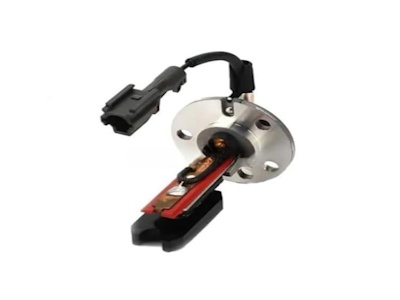
Производство двигателей — это сложный и высокотехнологичный процесс, который требует строгого контроля на каждом этапе. Двигатели, будь то автомобильные, авиационные или промышленные, являются сердцем многих машин и устройств, и их надежность напрямую влияет на безопасность, эффективность и долговечность всей системы. В этой статье мы подробно рассмотрим различные методы контроля, используемые в производстве двигателей, и обсудим их важность для обеспечения высокого качества продукции. Мы углубимся в традиционные и современные подходы, включая визуальный осмотр, неразрушающий контроль, химический анализ и испытания под нагрузкой, а также затронем роль стандартов и автоматизации в этом процессе.
Введение в контроль качества при производстве двигателей
Контроль качества в производстве двигателей начинается с проектирования и продолжается через все этапы изготовления, сборки и тестирования. Основная цель — выявить и устранить дефекты до того, как продукт попадет к потребителю. Это не только снижает риски отказов, но и помогает соблюдать нормативные требования, такие как стандарты ISO или отраслевые спецификации. В двигателестроении, где даже малейшая ошибка может привести к катастрофическим последствиям, методы контроля становятся критически важными. Например, в авиационной промышленности двигатели проходят многократные проверки, чтобы гарантировать безопасность полетов. Аналогично, в автомобильной индустрии контроль качества помогает улучшить топливную экономичность и снизить выбросы.
Исторически методы контроля эволюционировали от простого визуального осмотра до сложных автоматизированных систем. Сегодня компании внедряют технологии искусственного интеллекта и машинного обучения для прогнозирования дефектов и оптимизации процессов. Это позволяет не только повысить точность, но и сократить время производства. В целом, инвестиции в контроль качества окупаются за счет увеличения срока службы продуктов, снижения затрат на гарантийное обслуживание и укрепления репутации бренда.
Визуальный осмотр и макроскопический контроль
Визуальный осмотр — это один из самых простых, но эффективных методов контроля, используемых на начальных этапах производства двигателей. Он включает в себя проверку поверхностей деталей на наличие очевидных дефектов, таких как царапины, трещины, коррозия или неправильная форма. Этот метод часто выполняется опытными инспекторами вручную, но в современных условиях все чаще автоматизируется с помощью камер и систем компьютерного зрения. Например, на конвейерных линиях высокоскоростные камеры сканируют каждую деталь и сравнивают ее с цифровыми моделями, чтобы обнаружить отклонения.
Макроскопический контроль goes a step further by using magnification tools like microscopes or borescopes to examine internal or hard-to-reach areas. In engine production, this is crucial for inspecting components like cylinder heads or turbine blades, where微小ые дефекты can lead to major failures. For instance, in the aerospace industry, borescopes are routinely used to inspect jet engines without disassembly, saving time and resources. The advantages of visual and macroscopic inspection include low cost and immediacy, but they rely heavily on human expertise and can miss subsurface defects. Therefore, они often serve as a preliminary step before more advanced methods.
To enhance reliability, companies integrate these methods with digital documentation. Images and videos from inspections are stored in databases, allowing for traceability and analysis over time. This helps in identifying trends, such as recurring defects in specific batches, and enables continuous improvement in manufacturing processes. Overall, visual and macroscopic inspection remain foundational in quality control, providing a quick and accessible way to catch obvious issues.
Неразрушающий контроль (НК): Основные методы
Неразрушающий контроль (НК) encompasses a range of techniques that allow inspectors to evaluate materials and components without causing damage. This is particularly important in engine production, where parts are expensive and critical to performance. Common NDT methods include ultrasonic testing, radiography, eddy current testing, and magnetic particle inspection. Each method has its strengths and is chosen based on the type of defect being sought and the material properties.
Ultrasonic testing uses high-frequency sound waves to detect internal flaws like cracks or voids. In engine manufacturing, it's often applied to critical components such as crankshafts or connecting rods. The waves travel through the material and reflect off defects, with the echoes analyzed to determine size and location. This method is highly accurate and can penetrate thick materials, but requires skilled operators and calibration. Radiography, involving X-rays or gamma rays, provides images of internal structures, similar to medical X-rays. It's excellent for detecting volumetric defects like porosity in castings, but poses radiation safety concerns and is slower than other methods.
Eddy current testing is effective for surface and near-surface defects in conductive materials, such as aluminum or steel alloys used in engine blocks. It induces electrical currents in the material, and changes in these currents indicate flaws. Magnetic particle inspection is used for ferromagnetic materials, where magnetic fields reveal surface cracks by attracting iron particles. These NDT methods are often automated in modern factories, with robots performing scans to ensure consistency and speed. The integration of NDT into production lines helps achieve near-100% inspection rates, reducing the risk of defective products reaching the market.
Использование рентгенографии и компьютерной томографии
Рентгенография and компьютерная томография (КТ) are advanced forms of radiography that provide detailed 3D images of internal structures. In engine production, CT scanning is increasingly used for complex components like turbochargers or fuel injectors, where traditional methods might miss subtle defects. CT works by taking multiple X-ray images from different angles and reconstructing them into a cross-sectional view, allowing inspectors to visualize internal features without disassembly.
The benefits of CT include high resolution and the ability to detect微小ые дефекты, such as micro-cracks or inclusions, that could compromise engine performance. For example, in the automotive industry, CT is used to inspect engine blocks for porosity after casting, ensuring that cooling channels are free of obstructions. This not only improves reliability but also aids in design validation, as engineers can compare CT scans with CAD models to verify dimensions and tolerances. However, CT is expensive and time-consuming, making it suitable for critical or high-value components rather than mass production of every part.
Recent advancements have made CT more accessible through portable scanners and faster processing algorithms. Additionally, the combination of CT with artificial intelligence allows for automated defect recognition, reducing the need for human intervention. As engines become more complex with additive manufacturing (e.g., 3D-printed parts), CT will play an even greater role in ensuring quality. In summary, рентгенография and КТ offer unparalleled insights into internal integrity, though their use must be balanced against cost and throughput requirements.
Химический и спектральный анализ
Химический и спектральный анализ are essential for verifying the composition of materials used in engine production. Engines are subjected to extreme conditions—high temperatures, pressures, and mechanical stresses—so the materials must meet strict chemical specifications to ensure durability and performance. Common techniques include spectroscopy (e.g., optical emission spectroscopy or X-ray fluorescence) and chromatography, which analyze elemental composition and impurities.
For instance, in the production of piston rings or valves, spectroscopy can detect trace elements that affect hardness or corrosion resistance. If the material deviates from the specified alloy, it could lead to premature wear or failure. Chromatography is used for analyzing oils and fuels in engine testing, identifying contaminants that might indicate manufacturing issues or predict maintenance needs. These methods are typically performed in laboratories, but inline systems are becoming more common, allowing real-time monitoring during production.
The importance of chemical control extends to environmental compliance, as regulations like Euro emissions standards require precise material properties to minimize pollutants. By ensuring consistent composition, manufacturers can avoid batch-related defects and reduce waste. Overall, химический и спектральный анализ provide a foundational layer of quality control, complementing physical inspections by addressing material-level integrity.
Испытания под нагрузкой и стендовые тесты
Испытания под нагрузкой and стендовые тесты are the final and most comprehensive methods of control in engine production. These tests simulate real-world operating conditions to validate performance, efficiency, and reliability. A typical test involves running the engine on a dynamometer, which measures power output, torque, fuel consumption, and emissions. Sensors monitor parameters like temperature, pressure, and vibration to detect anomalies.
For automotive engines, tests might include cold starts, high-speed runs, and endurance cycles to emulate years of use in a short time. In aerospace, engines undergo altitude simulations and extreme stress tests to certify safety. These испытания not only identify defects but also provide data for continuous improvement. For example, if vibrations exceed limits, it might indicate imbalances in rotating parts, prompting adjustments in manufacturing.
Modern стендовые тесты are highly automated, with computer systems controlling the test protocols and collecting data for analysis. This allows for faster iteration and better correlation with design predictions. Additionally, these tests often include environmental aspects, such as testing under different climatic conditions to ensure global usability. While expensive and time-consuming, они are indispensable for delivering reliable products to market and building customer trust.
Роль стандартов и сертификации
Стандарты и сертификация play a critical role in unifying control methods across the industry. Organizations like ISO (International Organization for Standardization) or ASTM International develop guidelines that specify how inspections and tests should be conducted. For engine production, standards such as ISO 9001 for quality management or AS9100 for aerospace provide frameworks for implementing control processes.
Adhering to these standards ensures consistency, facilitates international trade, and helps manufacturers meet regulatory requirements. Certification from third-party bodies demonstrates commitment to quality, which can be a competitive advantage. For example, an engine certified to FAA (Federal Aviation Administration) standards is more likely to be adopted in aviation. Standards also drive innovation by encouraging the adoption of best practices and new technologies.
In practice, companies integrate standards into their quality management systems, conducting audits and training staff to maintain compliance. This not only improves product quality but also enhances overall operational efficiency. As engines evolve with electrification and new materials, standards will continue to adapt, ensuring that control methods remain relevant and effective.
Автоматизация и будущие тенденции
Автоматизация is transforming control methods in engine production, making them faster, more accurate, and less reliant on human error. Robotics, AI, and IoT (Internet of Things) are being integrated into inspection systems. For instance, AI algorithms can analyze data from multiple sensors to predict failures before they occur, enabling predictive maintenance.
Future trends include the use of digital twins—virtual replicas of physical engines—that allow simulations and tests in a digital environment before physical production. This reduces the need for physical prototypes and speeds up development. Additive manufacturing also introduces new challenges and opportunities for control, as 3D-printed parts require novel inspection techniques like in-situ monitoring during printing.
Overall, the future of control in engine production lies in smarter, interconnected systems that provide real-time insights and continuous improvement. As technology advances, we can expect even greater integration of control methods into the entire product lifecycle, from design to disposal.
Заключение
В заключение, методы контроля при производстве двигателей разнообразны и включают в себя как традиционные подходы, так и современные технологии. От визуального осмотра до сложных испытаний под нагрузкой, каждый метод вносит свой вклад в обеспечение надежности и эффективности двигателей. Важность этих методов невозможно переоценить, поскольку они directly impact safety, performance, and customer satisfaction. As the industry moves towards automation and digitalization, control methods will continue to evolve, offering new ways to achieve excellence in manufacturing. Investing in robust quality control is not just a necessity but a strategic advantage for any engine producer.
Эта статья предоставила обзор ключевых методов контроля, но remember that specific applications may vary based on engine type and manufacturer requirements. Always refer to industry standards and expert guidance for detailed implementations.
 1388xx888xx