

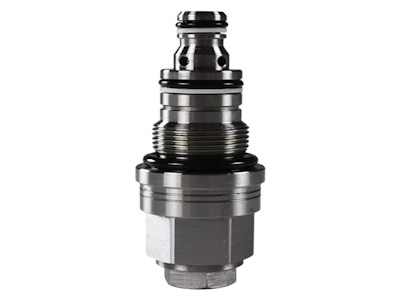
В современном мире, где технологии стремительно развиваются, автоматизация играет ключевую роль в оптимизации процессов. Одной из важнейших областей, где автоматизация приносит значительные преимущества, является контроль потока воды в двигателях. Это не просто техническое усовершенствование, а настоящая революция, которая способна кардинально изменить подход к управлению двигателями, повысить их эффективность, продлить срок службы и обеспечить бесперебойную работу.
Двигатели, будь то в промышленных установках, автомобилях или судах, часто требуют эффективного охлаждения для предотвращения перегрева. Вода, как охлаждающая жидкость, широко используется благодаря своей доступности и высокой теплоемкости. Однако ручной контроль потока воды может быть ненадежным, подверженным человеческим ошибкам и неэффективным в динамичных условиях. Здесь на помощь приходит автоматизация, которая позволяет точно регулировать поток воды в реальном времени, адаптируясь к изменяющимся нагрузкам и условиям работы двигателя.
Почему автоматизация так важна?
Автоматизация контроля потока воды в двигателях предлагает множество преимуществ, которые делают ее незаменимой в современных системах. Во-первых, она обеспечивает повышенную эффективность. Системы автоматического контроля используют датчики и алгоритмы для непрерывного мониторинга температуры двигателя и других параметров. На основе этих данных система автоматически регулирует поток воды, обеспечивая оптимальное охлаждение без избыточного или недостаточного расхода. Это приводит к снижению энергопотребления, так как насосы и другие компоненты работают только тогда, когда это действительно необходимо, что в конечном итоге экономит ресурсы и снижает эксплуатационные расходы.
Во-вторых, автоматизация значительно повышает безопасность. Перегрев двигателя может привести к серьезным повреждениям, простоям и даже авариям. Ручной контроль часто не справляется с быстрыми изменениями условий, такими как внезапное увеличение нагрузки или внешние факторы, например, изменения температуры окружающей среды. Автоматические системы мгновенно реагируют на такие изменения, предотвращая критические ситуации. Например, если температура двигателя начинает расти, система увеличивает поток воды для более интенсивного охлаждения, а при снижении нагрузки уменьшает его, избегая ненужного расхода энергии и износа компонентов.
Кроме того, автоматизация способствует продлению срока службы двигателя. Постоянно оптимальное охлаждение снижает термические нагрузки на детали, такие как поршни, цилиндры и подшипники, что уменьшает износ и предотвращает преждевременные поломки. Это означает меньшее количество ремонтов, более длительные интервалы между техническим обслуживанием и общую экономию на затратах на владение оборудованием.
Как работает автоматизированная система контроля?
Автоматизированная система контроля потока воды typically состоит из нескольких ключевых компонентов: датчиков, контроллера, исполнительных механизмов и программного обеспечения. Датчики, такие как термодатчики и расходомеры, continuously monitor параметры, like температура двигателя и скорость потока воды. Эти данные передаются на контроллер, который is a microprocessor-based device that processes the information using predefined algorithms.
Контроллер then sends commands to исполнительные механизмы, such as регулируемые клапаны или насосы с переменной скоростью, to adjust the flow of water accordingly. For example, if the temperature exceeds a set threshold, the controller might open a valve wider to increase flow, or if the flow is too high, it might reduce it to save energy. Программное обеспечение often includes user interfaces for monitoring and configuration, allowing operators to set parameters, view real-time data, and receive alerts in case of anomalies.
Modern systems may also incorporate advanced features like машинное обучение and IoT connectivity. Машинное обучение algorithms can analyze historical data to predict optimal flow patterns based on past performance, further enhancing efficiency. IoT connectivity enables remote monitoring and control, so that systems can be managed from anywhere, providing flexibility and reducing the need for on-site personnel. This is particularly valuable in large-scale industrial applications or in remote locations where access is limited.
Преимущества для различных отраслей
Автоматизация контроля потока воды находит применение в широком спектре отраслей. В automotive industry, it is used in engine cooling systems of vehicles to improve fuel efficiency and reduce emissions. By precisely controlling the coolant flow, engines can maintain optimal operating temperatures, which enhances combustion efficiency and reduces harmful emissions. This is especially important with the growing emphasis on environmental regulations and sustainability.
In the marine industry, ship engines often operate under harsh conditions with varying loads. Automated flow control ensures that engines are adequately cooled during high-power maneuvers, such as docking or navigating rough seas, while saving energy during cruising. This not only improves safety but also reduces fuel consumption, which is a significant cost factor in shipping.
In industrial settings, such as power plants or manufacturing facilities, large motors and generators require reliable cooling to prevent downtime. Automated systems can integrate with overall plant management systems, providing seamless operation and data for predictive maintenance. For instance, if a trend of increasing temperature is detected, the system can alert maintenance teams before a failure occurs, avoiding costly interruptions.
Even in smaller applications, like HVAC systems or agricultural equipment, automation offers benefits. In HVAC, it helps in cooling compressors and other components, improving energy efficiency of buildings. In agriculture, it ensures that irrigation pumps and other motors run efficiently, conserving water and energy.
Экономические выгоды и возврат инвестиций
Investing in automation for water flow control might seem like an additional expense initially, but the long-term economic benefits are substantial. The primary savings come from reduced energy consumption. By optimizing flow, pumps and motors operate only at necessary levels, cutting electricity usage. Studies have shown that automated systems can reduce energy costs by up to 20-30% compared to manual control.
Additionally, there are savings on maintenance and repairs. With fewer instances of overheating and reduced mechanical stress, components last longer, decreasing the frequency and cost of replacements. This also minimizes downtime, which in industrial contexts can be extremely expensive. For example, an unplanned shutdown in a factory might cost thousands of dollars per hour in lost production.
The return on investment (ROI) for such systems is often quick. Many companies report payback periods of less than two years, thanks to the combined savings on energy, maintenance, and avoided downtime. Moreover, as technology advances, the cost of sensors and controllers continues to decrease, making automation more accessible even for small and medium-sized enterprises.
Будущие тенденции и инновации
The future of automation in water flow control looks promising, with ongoing innovations that will further enhance its capabilities. One emerging trend is the integration of artificial intelligence (AI) and big data analytics. AI can enable systems to learn from operational data and make more precise adjustments, adapting to unique patterns and improving over time. For instance, an AI-powered system might predict seasonal changes in temperature and proactively adjust flow rates to maintain efficiency.
Another area of development is the use of smart materials and nanotechnology in sensors and valves. These advancements could lead to more durable and sensitive components that provide even better accuracy and reliability. Additionally, the adoption of 5G and edge computing will facilitate faster data processing and real-time responses, which is critical for applications requiring instant adjustments, such as in autonomous vehicles or high-speed machinery.
Sustainability will also drive innovation. As the world moves towards greener technologies, automated systems will play a key role in reducing the environmental footprint of engines. For example, by optimizing cooling, engines can operate more efficiently, lowering greenhouse gas emissions. Some systems might even incorporate renewable energy sources, such as solar-powered pumps, to further enhance sustainability.
Заключение: Почему стоит выбрать автоматизацию?
В заключение, автоматизация контроля потока воды в двигателях представляет собой мощный инструмент для повышения эффективности, безопасности и экономичности. Она не только решает immediate problems like перегрев and energy waste but also future-proofs operations by enabling adaptability and integration with modern technologies. Whether you are in automotive, marine, industrial, or any other sector, investing in automated flow control can lead to significant benefits.
By embracing this technology, companies can achieve higher productivity, lower costs, and contribute to a more sustainable future. The initial investment is quickly offset by the savings and improved performance, making it a wise choice for any organization looking to stay competitive in today's fast-paced world. Don't wait—explore how automation can transform your engine management systems today!
If you're interested in implementing such a system, contact us for a consultation. Our experts can help you design a customized solution that meets your specific needs and maximizes your ROI. Remember, in the era of automation, staying ahead means embracing innovation.
 1388xx888xx