

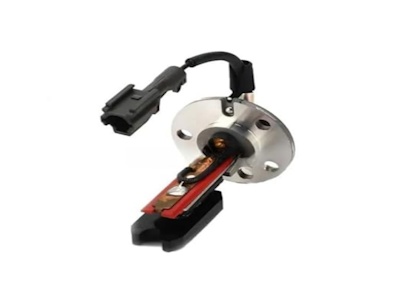
В современном мире технологический прогресс является движущей силой экономического роста и социального благополучия. Одной из ключевых областей, где инновации играют решающую роль, является развитие технологии двигателей и соединителей. Эти компоненты лежат в основе множества отраслей, от автомобилестроения и аэрокосмической индустрии до робототехники и возобновляемой энергетики. В данной статье мы глубоко исследуем эволюцию, текущее состояние и будущие перспективы технологии двигателей соединителей, анализируя их влияние на инновации через призму технических достижений, экономических выгод и экологических соображений. Мы рассмотрим исторический контекст, современные тенденции, включая автоматизацию и цифровизацию, а также вызовы и возможности, стоящие перед инженерами и исследователями. Цель — предоставить всесторонний обзор, который поможет читателям понять, как эти технологии формируют наше будущее и способствуют устойчивому развитию.
Исторический контекст и эволюция технологии
Развитие технологии двигателей и соединителей уходит корнями в промышленную революцию XVIII века, когда первые паровые двигатели Джеймса Уатта положили начало mechanization производства. Эти ранние инновации демонстрировали фундаментальный принцип: двигатели преобразуют энергию в механическое движение, а соединители обеспечивают передачу этого движения между компонентами. В XIX веке изобретение электрического двигателя Николой Теслой и другими пионерами открыло новые горизонты, позволив создать более efficient и универсальные системы. Соединители, такие как муфты и передачи, эволюционировали от простых механических linkage до сложных electronic интерфейсов, что значительно повысило надежность и производительность машин. В XX веке с развитием semiconductor технологий и компьютерного инжиниринга, двигатели стали более compact и intelligent, интегрируя sensors и control systems для precision управления. Например, в automotive индустрии, transition от carburetor к electronic fuel injection systems revolutionized efficiency и emissions control. Этот historical progression подчеркивает, как incremental innovations в двигателях и соединителях cumulative led к transformative changes across industries, setting the stage for today's advanced applications.
Современные тенденции и технологические прорывы
В настоящее время технология двигателей и соединителей переживает беспрецедентный рост благодаря advancements в materials science, artificial intelligence, и internet of things (IoT). Современные двигатели, такие как brushless DC motors и stepper motors, offer high torque, efficiency, и longevity, making them ideal для robotics и automation. Соединители evolved into smart connectors с embedded electronics, capable of real-time data transmission и self-diagnosis, что enhances system reliability и reduces downtime. Key trends включают miniaturization, где nano-scale двигатели используются в medical devices, и sustainability, с focus на electric motors для electric vehicles (EVs) и renewable energy systems. Например, в wind turbines, advanced gearboxes и power converters enable efficient energy conversion, contributing to global decarbonization efforts. Additionally, integration с AI и machine learning allows for predictive maintenance, где algorithms analyze data from sensors to foresee failures и optimize performance. These breakthroughs not only drive innovation но и create new market opportunities, fostering collaboration between academia, industry, и government. Case studies, such as Tesla's electric propulsion systems или Siemens' digital twins, illustrate how these technologies are reshaping manufacturing и logistics, leading to smarter, more connected ecosystems.
Роль в инновациях и междисциплинарное влияние
Технология двигателей и соединителей играет pivotal роль в fostering innovation across multiple disciplines. In automotive sector, development of high-efficiency engines и transmission systems has enabled the rise of autonomous vehicles, where precise control и connectivity are paramount. In aerospace, advances in turbine engines и composite materials have reduced fuel consumption и emissions, supporting sustainable aviation. Moreover, in healthcare, miniature motors power surgical robots и implantable devices, improving patient outcomes through minimally invasive procedures. The interdisciplinary nature of these technologies encourages collaboration between mechanical engineering, electrical engineering, computer science, и even biology, leading to breakthroughs like bio-inspired robots или energy-harvesting systems. Innovation is further accelerated by open-source platforms и global research initiatives, such as the European Union's Horizon programs, which fund projects focused on smart manufacturing и green technology. By reducing barriers to entry и promoting knowledge sharing, these efforts democratize innovation, allowing startups и SMEs to compete with giants. Ultimately, the synergy between двигатели и соединители drives a virtuous cycle of improvement, where each advancement unlocks new possibilities, from smart cities до space exploration, underscoring their indispensable role in the modern innovation ecosystem.
Вызовы и будущие перспективы
Несмотря на impressive progress, развитие технологии двигателей и соединителей сталкивается с significant challenges. Key issues include energy efficiency, где further reductions in power loss are needed to meet climate goals, и material limitations, such as the scarcity of rare-earth elements used in high-performance magnets. Cybersecurity risks также emerge as systems become more connected, requiring robust protocols to protect against hacking и data breaches. Additionally, economic factors, like high costs of R&D и global supply chain disruptions, can hinder adoption, particularly in developing regions. Looking ahead, future prospects are bright, driven by emerging technologies like quantum computing, which could revolutionize motor control through ultra-precise simulations, и additive manufacturing (3D printing), enabling custom-designed connectors with complex geometries. The integration of renewable energy sources, such as hydrogen fuel cells, promises to create zero-emission powertrains, while advancements in biotechnology may lead to bio-hybrid motors. To overcome challenges, stakeholders must prioritize collaboration, investment in education, и policy support, such as subsidies for green tech. By addressing these hurdles, technology двигателей и соединителей will continue to be a cornerstone of innovation, paving the way for a more efficient, sustainable, и interconnected world. In conclusion, embracing these advancements will not only enhance industrial productivity но also contribute to global well-being, making it imperative for continued focus and investment in this dynamic field.
 1388xx888xx